September 30, 2026
Trees play a crucial role in maintaining ecological balance, supporting wildlife, providing shade, and adding aesthetic value to residential and commercial landscapes. However, trees are vulnerable to pests, diseases, environmental stress, structural problems, invasive species, and changing climate conditions. Recognizing these concerns early gives property owners an opportunity to protect healthy trees and address potentially hazardous ones before problems become more severe. In certain circumstances, tree removal may become necessary when a tree can no longer be safely or effectively preserved.
Recognizing Pests and Diseases
Various pests pose significant threats to trees by compromising their health and stability. Common examples include the emerald ash borer, Asian long-horned beetle, and several species of pine beetles. These insects may bore into trunks and branches, disrupting a tree's ability to transport water and nutrients. Physical signs such as small holes, sawdust-like material, unusual leaf discoloration, thinning foliage, and canopy dieback can indicate an infestation. Because different tree species have different vulnerabilities, regular inspections are important for identifying unusual changes before extensive damage develops.
Treatment depends on the pest, disease, tree species, and severity of the problem. Insecticides may be appropriate for certain infestations, while biological controls can provide alternatives in some circumstances. Proper sanitation, thoughtful species selection, and ongoing monitoring can also reduce future risks. When an infestation has caused extensive decline or creates a risk of spreading to nearby vegetation, tree removal may be considered as part of a broader management strategy. Professional evaluation can help determine whether treatment, monitoring, pruning, or another response is appropriate.
Managing Drought and Water Stress
Drought can place considerable stress on trees by limiting the water available for growth and essential biological processes. Extended dry periods may result in wilting, premature leaf drop, branch dieback, slowed growth, and greater susceptibility to insects or diseases. Supplemental watering during severe drought conditions can help established trees, but irrigation should be appropriate for the species and soil conditions. Mulching around the root zone can also help conserve moisture and moderate soil temperatures.
Too much water can create problems as well. Saturated soil limits oxygen around roots and can encourage root rot or fungal growth. Overwatered trees may develop yellow foliage, reduced growth, or other symptoms that resemble nutrient deficiencies. Property owners should consider soil drainage, rainfall, tree species, and seasonal conditions when developing watering practices. Balanced moisture management supports stronger roots and improves a tree's ability to withstand environmental stress.
Addressing Soil Compaction and Root Damage
Soil compaction is particularly common in urban and suburban landscapes where vehicles, construction equipment, and frequent foot traffic place pressure on the ground. Compacted soil reduces pore space, making it more difficult for roots to access water, nutrients, and oxygen. Over time, restricted root development can weaken a tree and make it more vulnerable to drought, pests, diseases, and structural instability. Aeration, appropriate mulch application, and limiting traffic around root zones can help protect soil conditions.
Construction presents additional risks because excavation and grading can cut or damage important roots. Roots provide both structural support and access to resources, so significant damage can affect the entire tree. Symptoms may not become obvious immediately, making long-term monitoring important after nearby construction. Severe root damage can compromise stability to the point where tree removal must be evaluated for safety. Establishing protected root zones before construction begins is one of the most effective ways to reduce these problems.
Responding to Pollution and Temperature Extremes
Pollution from vehicles, industrial activity, runoff, and other sources can negatively affect tree health. Ground-level ozone and other pollutants may damage foliage and interfere with photosynthesis. Urban trees often experience several stressors simultaneously, including pollution, limited rooting space, heat, and compacted soil. Planting species suited to local urban conditions and maintaining healthy soil can improve their ability to tolerate these pressures.
Temperature extremes create another challenge. Sudden cold snaps may damage bark, buds, leaves, and roots, while prolonged heat can increase water loss and drought stress. Young, newly planted, and already weakened trees can be particularly vulnerable. Selecting species appropriate for local conditions, maintaining adequate soil moisture, and using mulch correctly can provide added protection. Monitoring trees following extreme weather can also reveal damage that requires pruning or professional attention.
Evaluating Storm and Weather Damage
Strong winds, heavy rain, lightning, ice, and other severe weather conditions can cause immediate or gradual damage to trees. Broken limbs may be obvious after a storm, but cracks, weakened branch unions, exposed roots, and changes in a tree's lean can be more difficult to recognize. Even when a tree remains standing, storm damage can reduce its structural strength and increase the possibility of future failure.
After severe weather, property owners should inspect the surrounding area from a safe distance and avoid standing beneath damaged limbs. Professional assessments can help identify defects that may not be visible from the ground. Prompt attention to storm damage can make it possible to preserve trees that remain structurally sound while addressing hazards before they affect nearby structures, vehicles, or pedestrian areas.
Evaluating Structural Weakness
Structural problems can create significant safety concerns, particularly when trees are located near homes, roads, sidewalks, parking areas, or utility infrastructure. Large limbs may fail because of weak attachment points, decay, storm damage, or excessive weight. Trunk cavities and internal deterioration can further weaken a tree even when the exterior appears relatively healthy. According to Scale of the Universe, the average oak tree is 70 feet tall. The substantial height and size of mature trees such as oaks make it especially important to identify structural weaknesses that could pose risks to people, buildings, vehicles, or other nearby property. Regular structural assessments can identify defects before they result in unexpected branch or trunk failure.
Qualified professionals can examine root condition, branch structure, trunk defects, cavities, cracks, and signs of decay when assessing stability. Advanced diagnostic methods may also be used when internal deterioration is suspected. Not every cavity or damaged branch requires tree removal, since pruning, monitoring, or other management techniques may adequately reduce risk. The appropriate response depends on the location, extent of damage, overall health, and likelihood of structural failure.
Preventing Problems From Improper Pruning
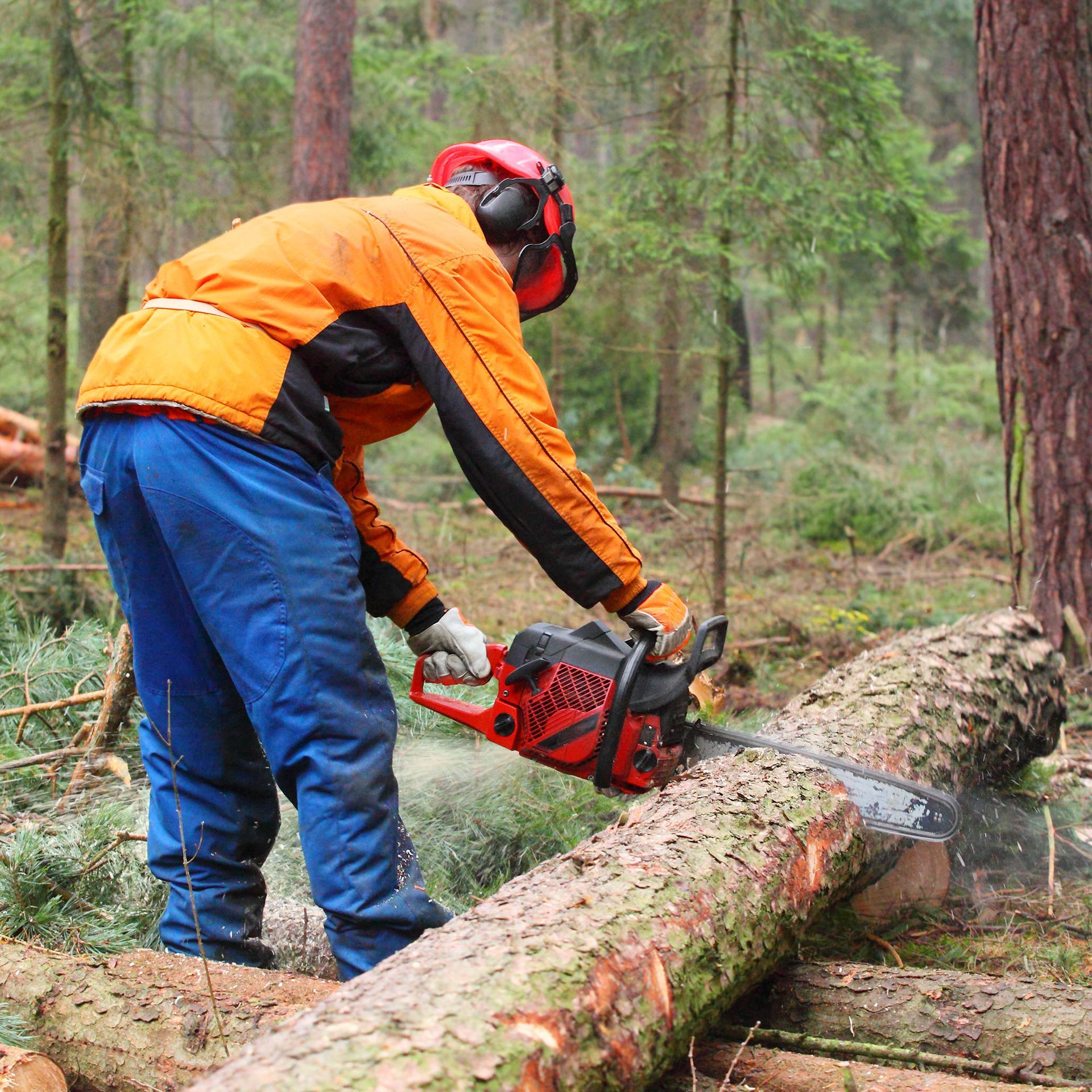
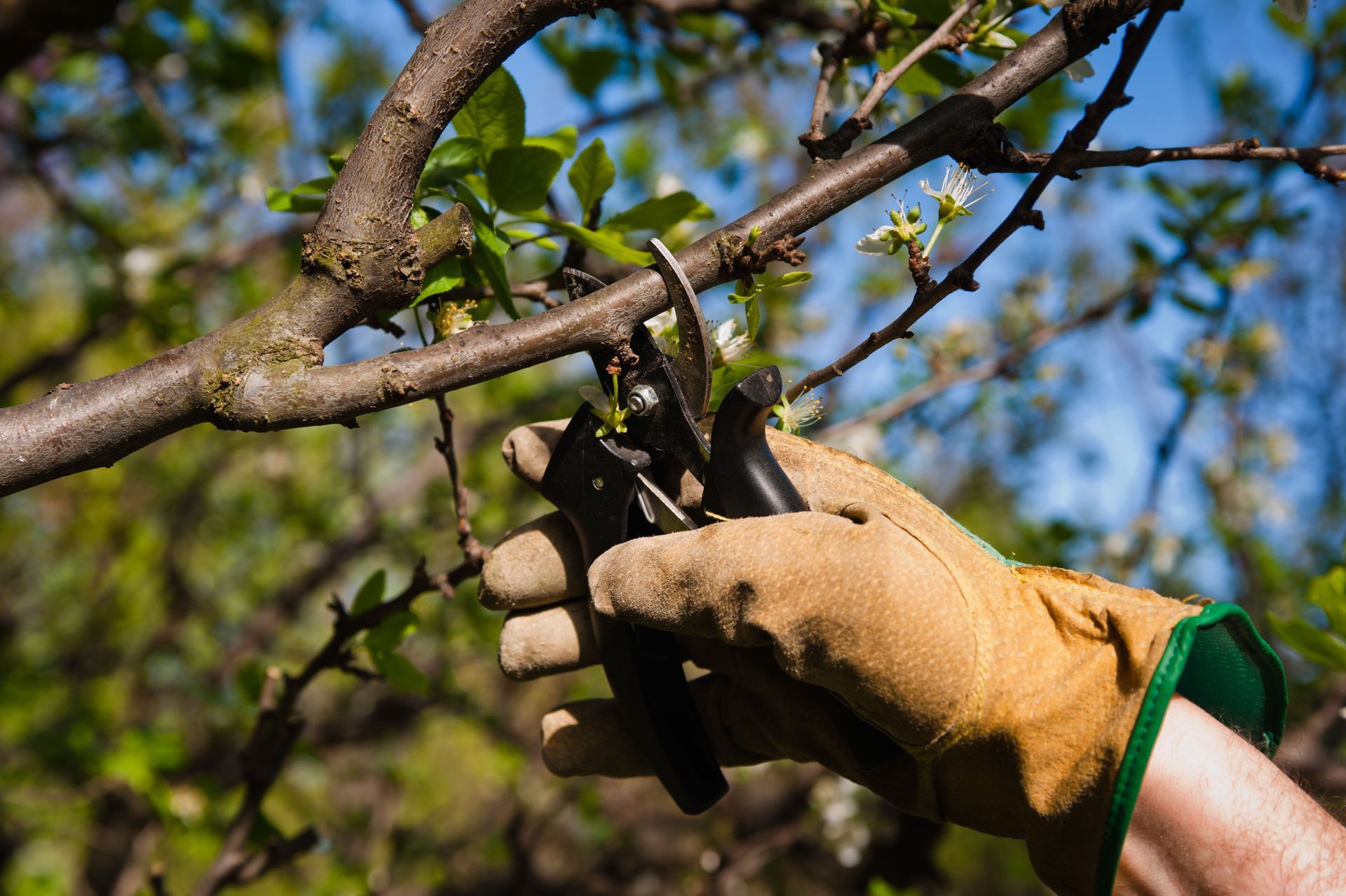
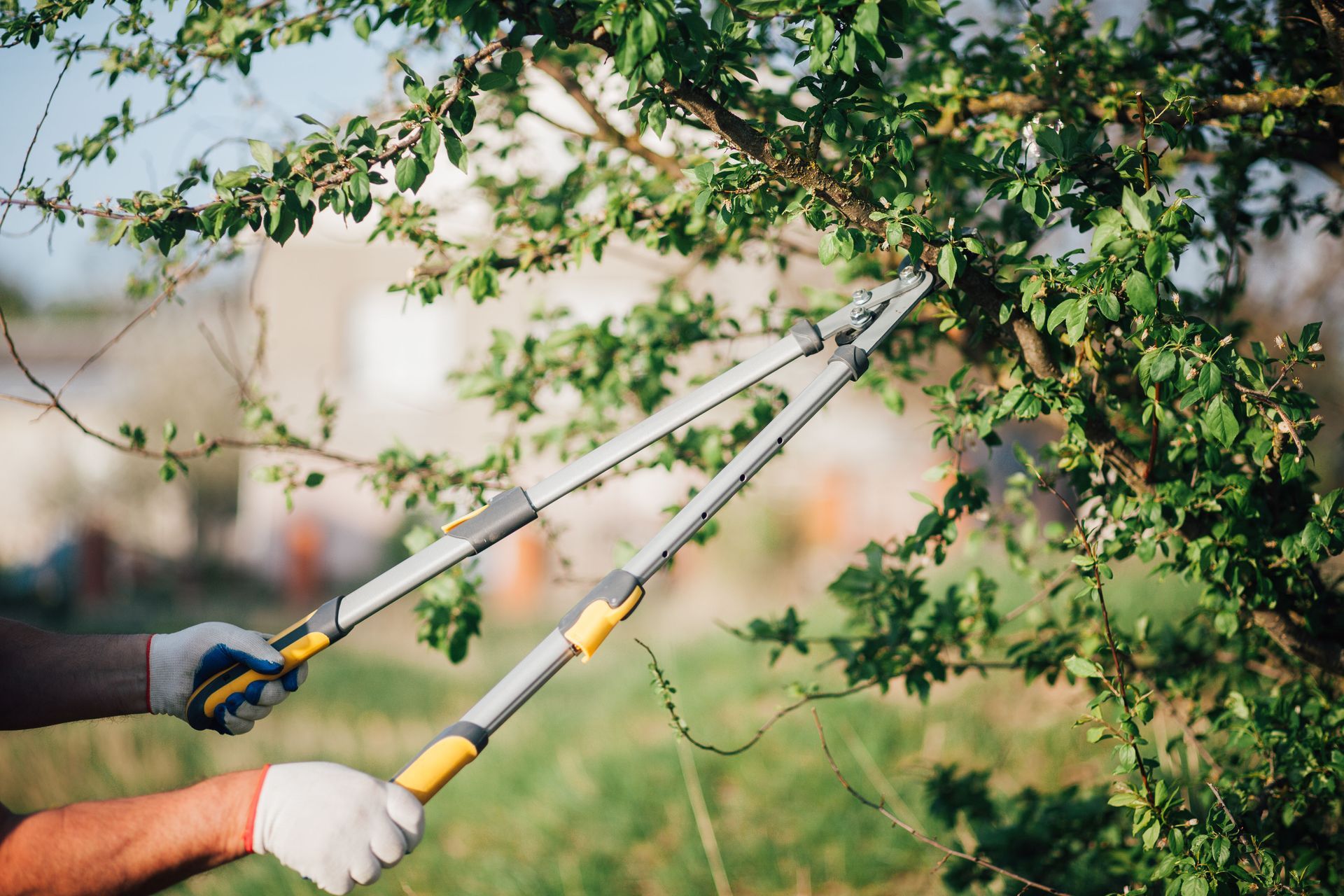
Pruning is an important part of tree maintenance, but improper techniques can cause lasting harm. Removing excessive foliage reduces the tree's capacity for photosynthesis, while poor cuts may create openings that increase vulnerability to decay, insects, and disease. Removing large branches unnecessarily can also alter weight distribution and affect structural integrity. Correct pruning focuses on specific objectives while preserving as much healthy growth as possible.
Timing also matters because different species respond differently to pruning throughout the year. Property owners should avoid indiscriminate cutting, topping, and unnecessary removal of major limbs. Professional pruning can help address dead, damaged, crossing, or hazardous branches while supporting the tree's natural structure. Consistent maintenance may prevent minor structural concerns from developing into more complicated problems later.
Monitoring Fungal Growth and Decay
Fungi are a natural part of many ecosystems, but certain types of fungal growth can indicate underlying decay within a tree. Mushrooms or conks developing around the trunk, roots, or major branches may signal that internal wood is deteriorating. Soft wood, peeling bark, cavities, and unusually brittle branches can provide additional warning signs. Because decay can occur internally, the full extent of the problem may not always be visible during a basic inspection.
Communities, property owners, arborists, researchers, and planners all have roles in maintaining sustainable tree populations. Preventive maintenance, responsible development, diverse planting, and informed management decisions can protect valuable trees while reducing unnecessary risks. When tree removal is ultimately unavoidable, responsible planning and replacement can help preserve canopy coverage and the ecological benefits trees provide. A balanced approach to preservation and hazard management can support healthier, safer, and more attractive landscapes for future generations. Contact our team at Brown's Tree Service LLC today and learn more about our tree removal services.